The Site Visit Is Your Best Sales Call. Here Is How to Run a Day of Them
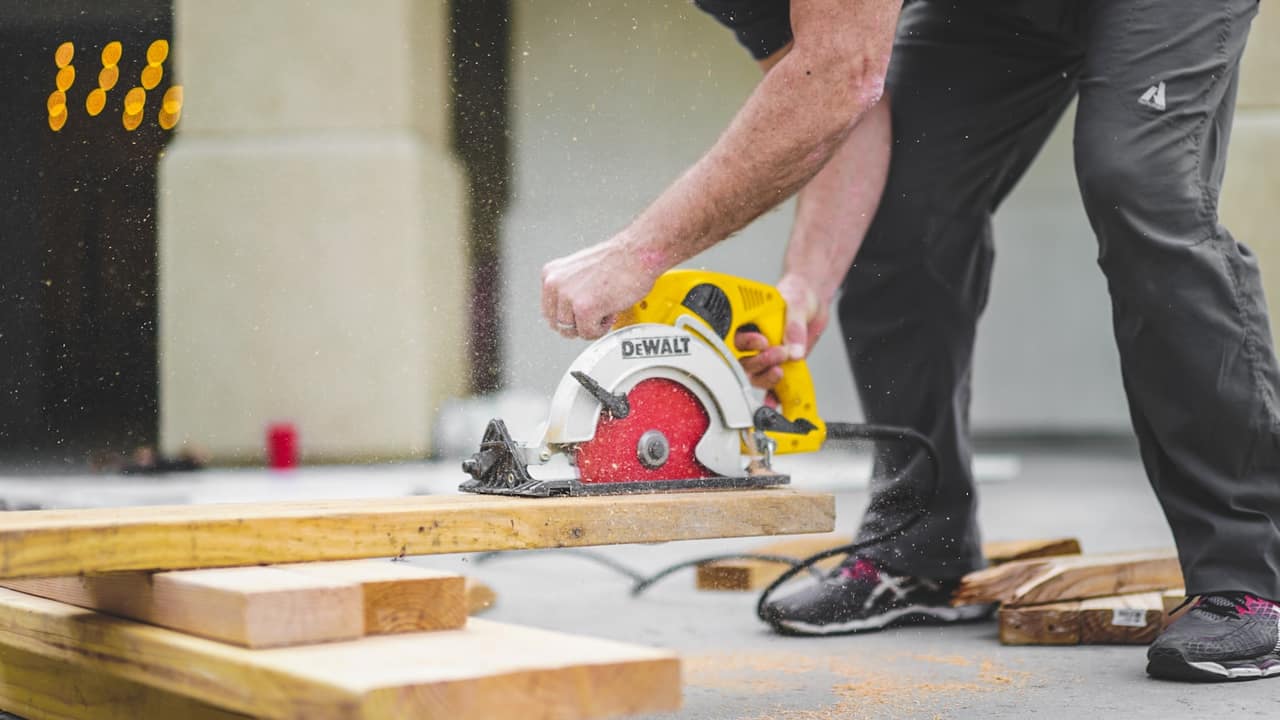
A message gets you a reply. A site visit gets you the job. Standing on a framed floor with the super, pointing at the mechanical chase, is worth more than a month of email, because it is the only sales call where the builder can see you know what you are looking at. Trades know this, and most still run visits badly: one site here, a call from a builder there, forty minutes across town and back. Here is how to run a day of them properly.
Pick the sites by stage, not by size
The visit that produces work is the one at your buy window. For a finish trade that is framing; for plumbing and mechanical it is foundation; for roofing it is the week the trusses go up. Builtie's feed stamps every project with a stage and the date it was confirmed, and its field team checks the ones that matter in person, so the sites on your list are at the stage where a visit can still change the outcome.
Route the day as a loop
Sort ten sites by permit value and you get a route that visits two houses on the same street as stop one and stop five with three unrelated neighborhoods in between. Sort them by geography and the same ten stops become a loop. Builtie's route optimizer does the second thing: it clusters stops and walks them nearest to nearest, and in one real case turned an 85 km day into a 26 km day with identical stops. If a tour is too big for one day, it routes first and splits after, so neighbours stay together.
What to look at
Stand on the street first. Is the stage what the record says, or ahead of it? Which trades are on site, and whose signs are on the fence? How is the work: clean cuts, tidy site, a super who knows where everything is? Who is that super? Write it all down. Your observation is fresher than any permit, and Builtie lets a rep record the stage they saw so the project's record catches up with reality.
What to say to the super
Not a pitch. "Morning, I'm with a cabinetry shop that works with a couple of builders up the road. Who's running this one?" A super will tell you the builder's name, the PM's name and roughly where the schedule is, because you asked like someone in the trade. Leave a card, note the names, and let the follow-up be a message about their project, not about you.
Back at the truck
Three things before the next stop. Update the stage. Note who you met. Flag whether this builder runs other projects, because a builder with three sites in the neighborhood is an account, not a lead. Builtie's Action Plan carries the route and the notes, so the day's visits turn into tomorrow's follow-ups without a spreadsheet.
How Builtie fits
Builtie tells you which sites to visit and in what order, and gives you the builder's name before you arrive. Starter covers up to 20 projects a month for $79 per month per seat with a 10-day free trial; Growth raises that to 50 and adds the events dashboard and social media signals. The handshake on site is still yours.
Know the projects. Reach the decision makers. See today's route for your trade at builtie.com.
Frequently asked questions
How does Builtie order a day of site visits?
By geography, never by lead value. Stops are clustered and walked as a loop; in one real case the same ten stops went from an 85 km day sorted by value to a 26 km day sorted by route.
What should I look at on a site visit?
The stage, honestly assessed against what the permit implies; the trades already on site and their signage; the quality of the work so far; and who is running the job. Record it, because your observation is fresher than any record.
Should I visit a site before or after the builder replies?
Both work. A visit after a reply is an invitation. A drive-by before one gives you the detail that makes the first message specific. Never walk onto an active site uninvited; observe from the street and introduce yourself to the super.
Builtie Team
Intelligence and outreach for North American construction trades.