New Residential Construction in Miami: How to Read Project-Level Signals
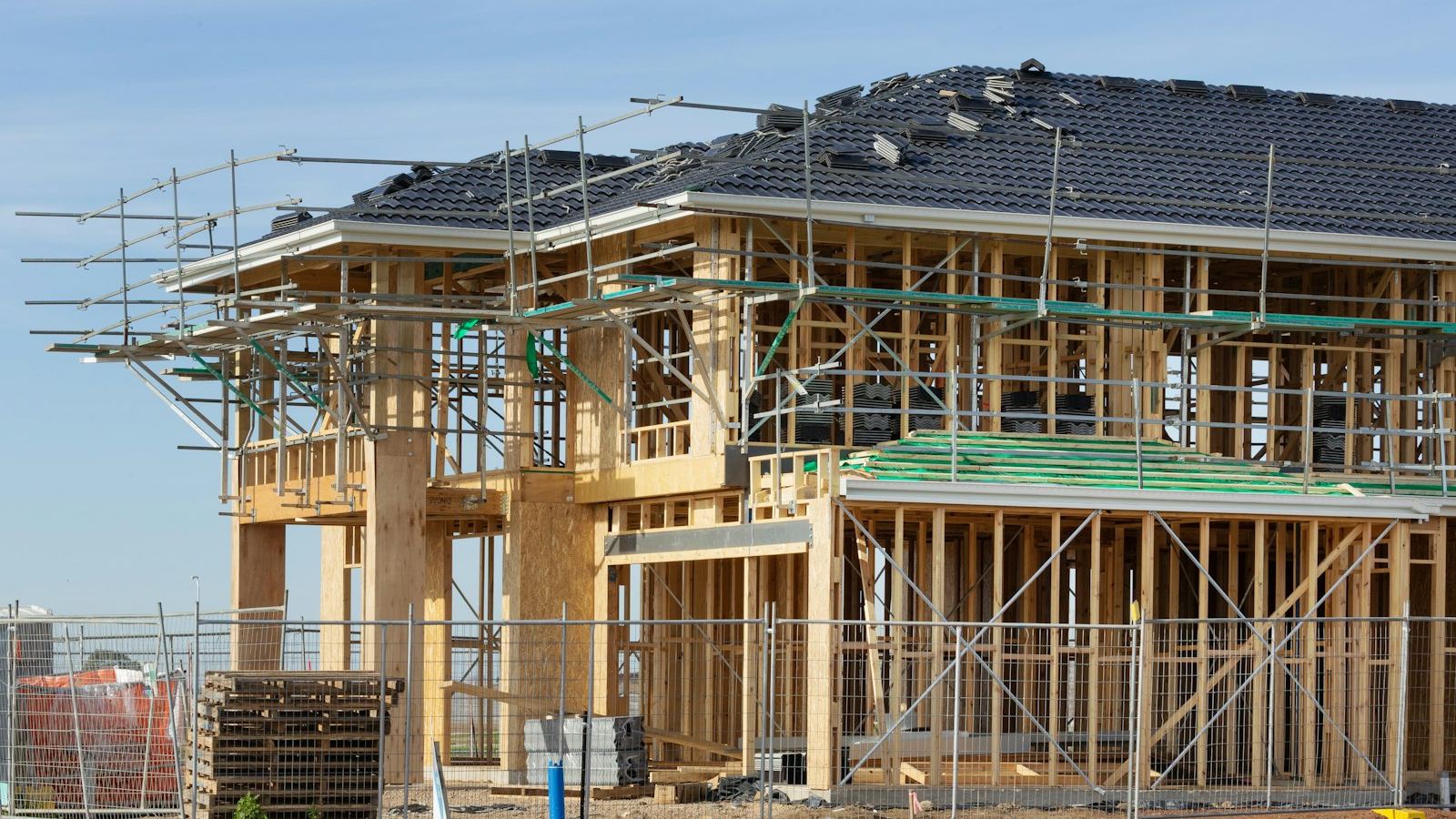
New residential construction creates a clear sales question: who controls the purchasing decision, and when will the relevant scope actually release? A permit answers neither by itself. Reading the record properly is what turns an address into a lead worth working.
Confirm the record before you act on it
Verify the address, jurisdiction, permit or process number, work description and latest status. Decide whether the record describes a new dwelling, an addition, a replacement structure or a renovation, because each implies a different trade sequence and timeline.
| Record type | What it usually means |
|---|---|
| New dwelling | Full scope for every trade, on a lot with no existing structure |
| Addition | Structure, envelope and finishes on part of an existing house |
| Replacement structure | A rebuild on the same lot, close to a full scope |
| Renovation | Finishes, mechanical or partial structural work inside an existing shell |
Group before you count
Group related permits by address, folio or another stable project identifier before treating anything as a separate lead. One house can generate several permits as it moves through the process, and counting each one separately inflates the opportunity and confuses the sequence.
The applicant is a starting identity, not the buyer
The owner or applicant on file is where the trail starts, not where it ends. In most Miami-Dade jurisdictions the applicant can be a permit expediter, an architect's office or a numbered company rather than the person who actually awards trade packages. Trace the company behind the filing before assuming you have found the decision maker.
What to say
A useful opening message is direct and specific: "I saw the new residential work at [address]. We handle [trade] on South Florida builds. Is that scope already assigned?" Do not claim the project is out to bid unless the contact confirms it themselves.
Where this data comes from
Miami-Dade County and its municipal building departments have different responsibilities, so record the source authority with every lead. The county's Open Data Hub and Building Online Services page cover permits, inspections, contractor inquiry and code cases; City of Miami records are checked separately, in iBuild.
How Builtie fits
Builtie reads new residential permits across Miami-Dade daily, groups them into real projects, and traces the filing to the builder, developer or owner who awards the work, with outreach sent under your name. Starter covers up to 20 projects a month for $79 per month per seat with a 7-day free trial; Growth raises that to 50 and adds the events dashboard and social media signals.
Know the projects. Reach the decision makers. See new residential construction in your Miami territory at builtie.com.
Frequently asked questions
Are Miami-Dade County records complete for every Miami project?
No. County and municipal building departments have different responsibilities, so record the source authority behind every residential lead.
Does a permit mean the project is accepting bids?
No. It confirms a regulatory event. Ask the contact whether the relevant scope is already assigned rather than assuming it is open.
How should this data be refreshed?
State the exact refresh date and source beside any table of new residential permits, since new filings appear continuously.
Builtie Team
Intelligence and outreach for North American construction trades.