How Builtie Finds Construction Projects Before the Bids Go Out
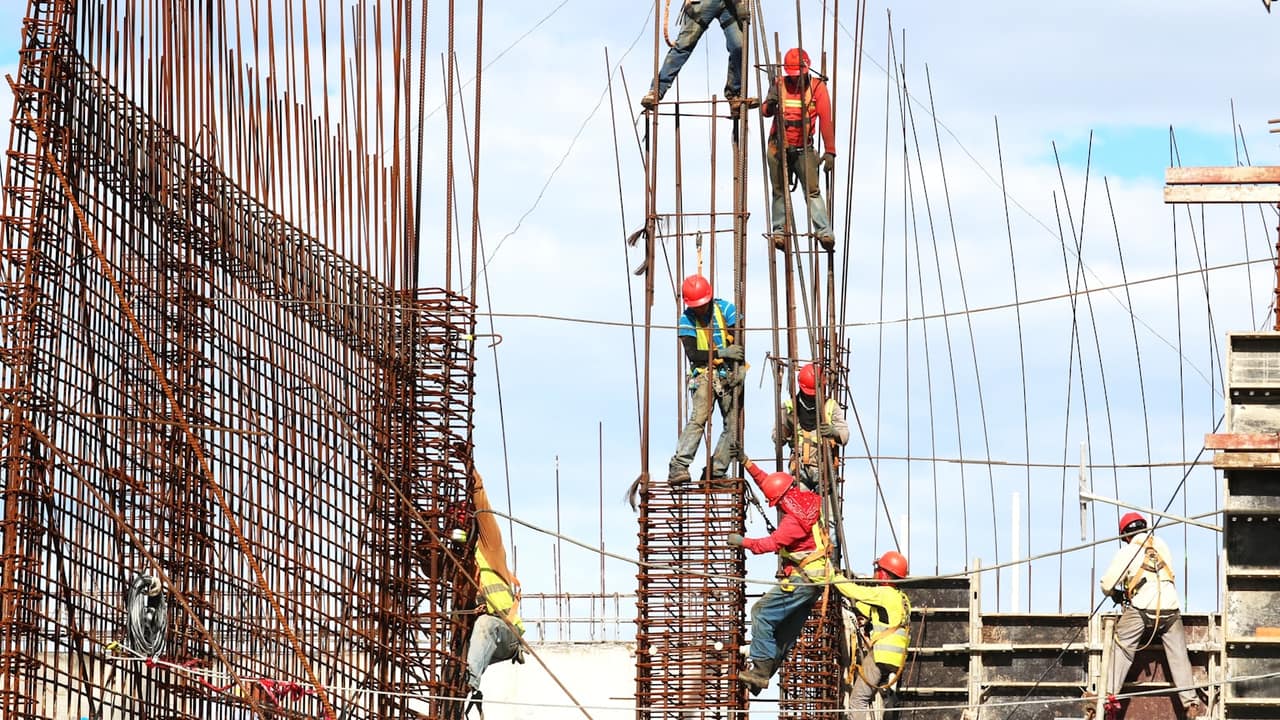
It is 6:45 on a Tuesday and a foundation is curing on a street you drove past twice last week. The permit for it was filed months ago. The builder posted the excavation. Somebody is going to get the call for that job, and right now they do not know it exists either. Builtie's whole job is to know about that site first, decide whether it needs your trade, and put it in front of you while the package is still open.
Here is how the pipeline works, from a line in a municipal database to a lead on your feed.
Step 1: Read the public record, all of it
Every municipality publishes building permits and planning applications. Public does not mean readable. The data sits on dozens of portals, each formatted its own way, written for inspectors rather than salespeople. A permit gives you an address, a permit type, a declared value and an applicant. It rarely names the builder, and it never says "this one needs a house worth of hardwood by spring."
Builtie pulls those records as they are published, normalizes them into one schema, and works out what a permit is actually describing: what is being built, how big, at what stage, and which company is behind it once you look past the permit expediter or the numbered company on the application.
In Toronto and the Greater Toronto Area (GTA), the founding market, that record now runs past 225,000 permits and 43,000 construction companies. Other North American markets are shallower, because depth is set by what each municipality chooses to publish. We say that on the first call, not after the contract. Ask for live sample projects in your own city.
Step 2: Watch the builders, because permits lag intent
By the time a permit is issued, the builder has known about the project for months. So Builtie also watches the companies: their websites, their public LinkedIn and Instagram accounts, their Houzz portfolios, their association directory listings. A builder posting excavation photos of a project with no permit in the feed yet is an early signal, and it is pinned to the company record the moment it appears. On the Growth and Custom plans, those social signals show up on your feed.
Be honest about what a post is, though. A finished-kitchen reel is not a lead. It is a receipt for a cabinetry contract that closed months ago. What social activity proves is that a company is building, in your territory, at your scale, this week. That is the context a rep needs when the permit does land.
Step 3: Work out what stage the site is really at
An excavation and a finishing-stage job are two different opportunities for every trade on the list. Builtie reads the stage from the permit type, the age of the permit, inspection milestones where a municipality publishes them, and what the field team saw when they drove by. Each stage read carries a timestamp, so you can see how fresh it is before you trust it.
Stage is the field that matters most on a lead, because it decides whether your package is still open or already spoken for. For most finish trades, framing is the buy window: structure up, interiors being specced, nothing awarded yet. Builtie flags it. There is a separate post on the procurement window trade by trade.
Step 4: Throw out everything that is not your job
Builtie tracked 14,709 new projects across the GTA in the first half of 2026. As a list, that number is useless to any single contractor. Nobody chases fourteen thousand jobs, and most of them are wrong for your business anyway.
So every project is scored against your profile: the trades you perform, the project types you want, the size your crews can handle, the territory you actually cover. A custom-residential cabinetry shop sees the custom home at framing near the top. It never sees the industrial roof replacement. Starter customers get up to 50 qualified projects a month matched to their profile, Growth up to 200, and Custom a volume set with the team.
Step 5: Drive past it
Paperwork lies in small ways. A permit gets issued and nothing happens. A site stalls for a year. Another site is three weeks ahead of anything on the record. So Builtie's field team drives routes across the GTA and checks the projects that matter in person: is anyone working, what stage is the structure really at, whose name is on the fence.
That observation goes onto the project record as ground truth. It is the reason Builtie describes its feed as real projects checked in person rather than a database. A database has never stood in the mud and looked at a footing.
Step 6: Find the person who signs
A project without a reachable human is a research assignment, not a lead. For each qualifying project, Builtie identifies the builder, developer or owner, and the person inside that company who awards trade work, with their email, phone and LinkedIn where they can be verified. How that identification works, and who is in the database, gets its own post.
How Builtie fits
Stack the six steps and you get a live feed of active projects matched to your trade, each carrying its stage, its builder and a named decision maker, delivered while the package is still open. On Growth, Builtie runs the LinkedIn and email outreach from that feed for you, and you step in when a builder replies.
The permits were always public. The builders were always posting. What was missing was someone reading all of it, every day, for your trade.
Know the projects. Reach the decision makers. See a live feed for your trade at builtie.com.
Frequently asked questions
How often is the Builtie project feed updated?
New permits and planning records are added as municipalities publish them, builder activity is read on an ongoing basis, and the field team's site checks are recorded on the project as they are made. Each stage read carries a timestamp, so you can see how fresh it is before you trust it.
What kinds of projects does Builtie track?
Residential new builds and renovations through to commercial and industrial work, as published in permit and planning records. The feed is filtered to the project types and sizes in your profile, so a flooring contractor and an excavation company see two different lists.
Does Builtie cover my city?
Builtie is available across North America. Toronto and the Greater Toronto Area (GTA) is the founding market and carries the deepest project and contact data. Depth elsewhere depends on what each municipality publishes, so ask for live sample projects in your own city before you decide.
Builtie Team
Intelligence and outreach for North American construction trades.