
Construction Leads for Excavation and Site Work Contractors
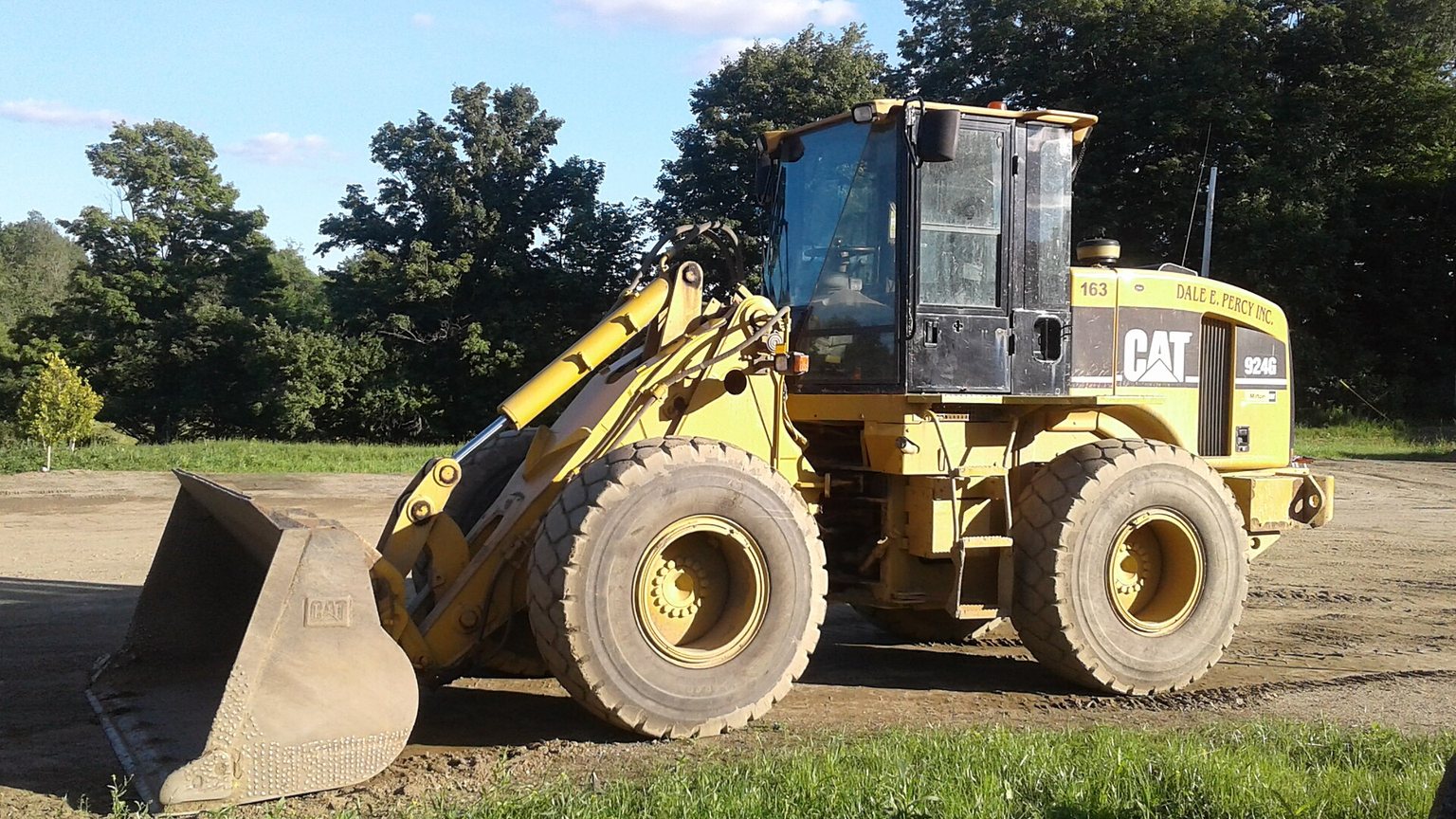
Excavation is the first trade booked on almost every project, which makes it the trade with the shortest possible warning and the greatest advantage from seeing permits early. Once there is a machine on the lot, that job belongs to someone else. Builtie gives excavation and site work contractors that early view: it flags new permits and planning applications in the US and Canadian markets it covers as they appear, names the builder or developer behind each lot and the person who books the trades, and can send the first message under your name before a machine is mobilized.
The same four steps, whether the buyer is a builder, a designer, an owner or a company you want to acquire.
The only lead that helps is the one nobody can see yet
There is no visible signal that a project needs an excavator, because the visible signal is the excavator. Everything a contractor in this trade can learn by driving a territory is information about work that has already been awarded. The only useful source is the paperwork: a permit issued, a demolition approved, a site plan cleared.
That is a strange position for a trade to be in, and it is why excavation contractors who work from permit records book their season while everyone else is waiting for the phone.
Where the work comes from
- New builds and infill. Foundation excavation, shoring on tight lots, and haulage. The core of the trade.
- Demolition and site clearing. Frequently a separate permit that appears before the build permit, which makes it the earliest signal of all.
- Basement lowering and underpinning. Technical work on occupied properties, bought by renovation contractors and owners, and priced well because few crews do it properly.
- Servicing and site development. Water, sanitary and storm connections on multi-unit and commercial sites, bought by the developer or the general contractor.
When the excavator is booked
For excavation the real buy window sits before this timeline starts, between permit issue and mobilization.
Who books excavation
- Custom home builders and small developers. They book excavation and foundation together, early, and reuse crews that hit dates.
- Renovation general contractors. The buyer on underpinning and basement lowering, where access and care matter more than machine size.
- Developers on multi-unit and commercial sites. Larger scopes with servicing and shoring, longer schedules, and a prequalification process.
- Concrete contractors. Often a referral partner rather than a buyer. The two trades are arranged together, so a good relationship in one direction produces work in the other.
A first message with no time to waste
Hi Joe, saw the demolition permit clear on the Cedarvale property. If the excavation is not booked we have a machine and a truck free from the ninth, and we have done a few tight downtown lots this year where the neighbours were close. Can price it off the site plan today.— Illustrative sample outreach message, Builtie
The demolition permit is the earliest signal available on many projects, and referencing it tells the builder immediately that this contractor is paying attention to the right things.
How Builtie works for excavation contractors
Builtie surfaces projects the moment they enter the permit and planning record, which for this trade is the entire value. Every project carries the company behind it and the person who books the trades, with contact details verified where they can be, and because outreach is included the first message can be out the same week the permit is issued.
Builtie plans start at $79 per month per seat for 20 projects a month, and $99 for 50. Growth adds LinkedIn and email outreach you run from the platform; Starter does not include Outreach. Done-for-you — where Builtie's team runs the content, campaigns and replies for you — is the Custom plan. There is a 7-day free trial with 10 projects so you can see your own territory before paying.
Which plan fits you?
Starter, $79 per seat per month (CAD). 20 matched projects a month, which is $3.95 for a fully worked project — the decision maker, their verified email, phone and LinkedIn, the site context and the opening script all included in the one credit. Credits reset each month, and you can top up with a credit pack any time. Sourcing that by hand runs about twenty minutes a project, so the plan buys back roughly seven hours a month. Pick it if you already have someone sending the messages and what you are short of is a qualified list. It does not include Outreach.
Growth, $99 per seat per month (CAD). Twenty dollars more buys two and a half times the projects — 50 a month, $1.98 each — plus the entire outreach layer: LinkedIn and email sequences, campaigns, the unified inbox, events and social signals. Anyone opening more than 20 projects a month is better off here on volume alone, before counting the ten to fifteen hours a week that automated follow-up gives back. Pick it if someone on your team will log in and run it.
Done-For-You, the Custom plan, from CAD $1,500 a month. Pick it when the honest answer to “who is going to run this?” is nobody. Builtie's team writes the content, runs your LinkedIn, Instagram and email, answers the comments and DMs, builds and manages the campaigns, A/B tests the messaging, analyzes your followers and your competitors, and hands you the conversations. It sits on top of a Growth seat and is quoted against your trade, territory and channels. See everything Done-For-You covers, or compare all three on the pricing page.
Frequently asked questions
How early can an excavation contractor see a project?
As soon as a demolition, site plan or building permit enters the record, which is typically weeks to months before mobilization. That is the only window this trade has, because the visible signal on site is the machine already working.
Do you cover underpinning and basement lowering?
Yes. That work usually appears as a permit on an occupied property and is bought by a renovation contractor or the owner, both of whom are identified in the record where possible.
Can I see commercial site servicing work?
Yes. Multi-unit and commercial projects appear alongside residential, and you can scope the feed to the sizes and project types your equipment suits.
Who do I contact when there is no site supervisor yet?
The builder or developer directly. On early-stage projects there is no one on site, which is why the feed identifies the company running the project and a person there with verified contact details.
Is this the same as a shared lead list?
No. Shared leads are enquiries resold to several contractors at once. These are projects at permit stage with the buyer identified, matched to your profile and territory rather than sold as a race.