
Construction Leads in Toronto
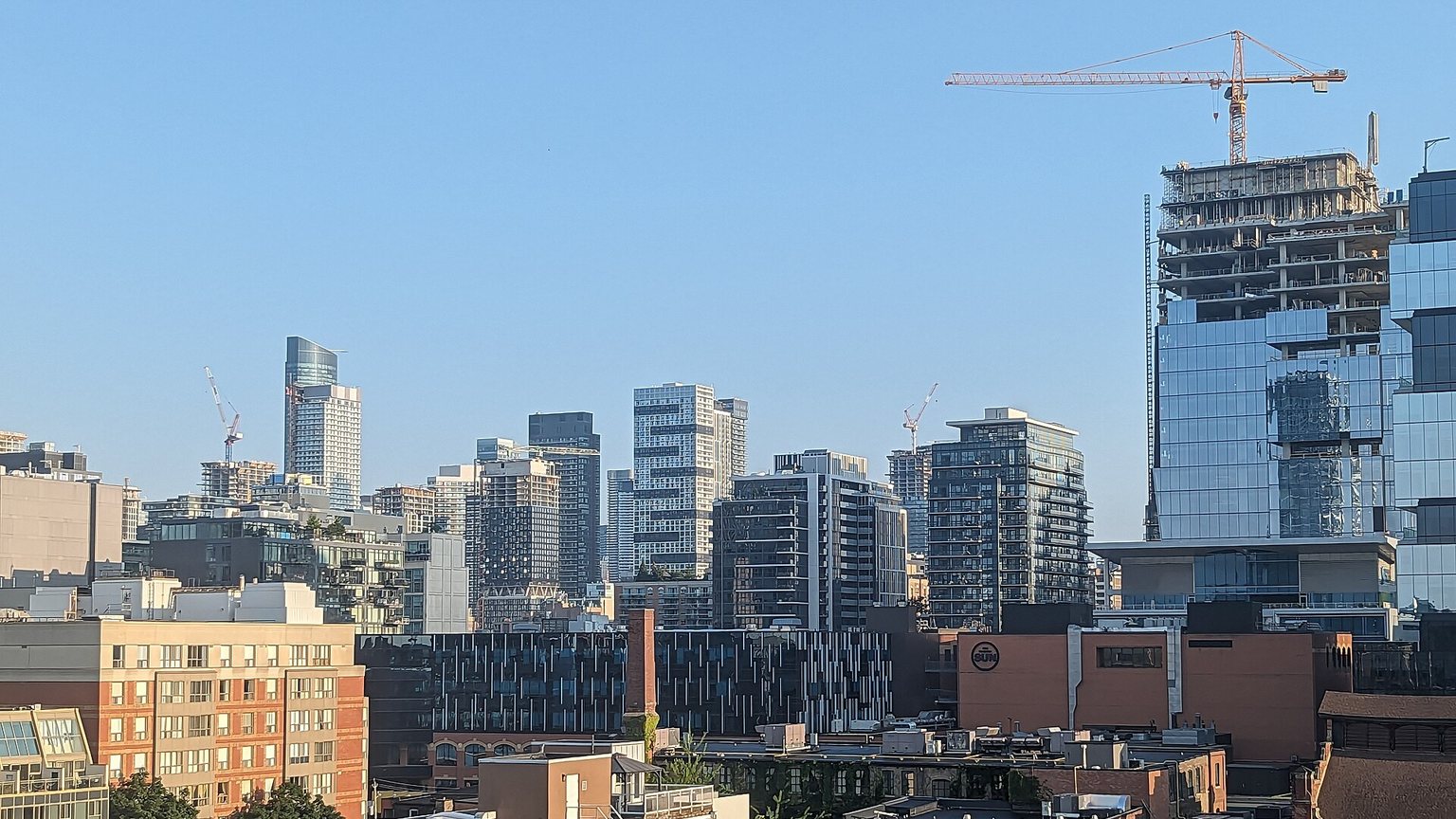
Toronto is Builtie's founding market and the one with the longest history behind it. Every project carries an inferred build stage, and the people who award the work are identified with contact details verified where they can be.
The same four steps, whether the buyer is a builder, a designer, an owner or a company you want to acquire.
Where Toronto sits
Toronto among the metros Builtie covers. See all of them on one map.
How much is being permitted
Permits by year in Toronto. 2026 is a partial year counted to September 4, 2026, so its bar is shorter for that reason rather than a slowdown.
Toronto has produced 65,840 permits since January 2024: 14,438 in 2024, 23,754 in 2025 and 27,648 so far in 2026. Counted on September 4, 2026.
What the Toronto record actually carries
Toronto's permits sit in Builtie's own tables rather than being read from a portal on demand, which is what allows scoring, stage inference and decision-maker enrichment on top of them. The full history runs to 225,161 permits, the longest of any city on the list.
What a trade contractor should know about this market
- The longest history on the list. A decade of permits means a builder's filing rhythm is visible, which separates a firm with a pipeline from one doing a single job.
- Multiplex conversions and laneway suites. Zoning changes have turned a large stock of single-family lots into multi-unit work, which multiplies the trade scope on an ordinary residential permit.
- Purpose-built rental and mixed use. The larger end of the market has shifted toward rental and mixed-use buildings, which run longer and buy trade packages in sequence.
- Value is visible. Declared and estimated construction value is carried on the record, so a trade can filter by project size rather than guessing from the address.
What Builtie carries in Toronto
Toronto carries the permit history rather than a single snapshot, projects scored against your trade and territory, an inferred build stage so you can tell an open package from one awarded months ago, and the people who award the work traced past applicants and numbered companies to a named person with email, phone and LinkedIn where each can be verified.
When your package is bought
The buying window does not move with the city. Concrete and excavation are committed before the site is visibly dug, framing is booked while the foundation cures, roofing and cabinetry are decided during framing, and painting is awarded while drywall goes up. Our guide to when each trade is decided maps all of them against the five build stages.
Builtie plans start at $79 per month per seat for 20 projects a month, and $99 for 50. Growth adds LinkedIn and email outreach you run from the platform; Starter does not include Outreach. Done-for-you — where Builtie's team runs the content, campaigns and replies for you — is the Custom plan. There is a 7-day free trial with 10 projects.
Which plan fits you?
Starter, $79 per seat per month (CAD). 20 matched projects a month, which is $3.95 for a fully worked project — the decision maker, their verified email, phone and LinkedIn, the site context and the opening script all included in the one credit. Credits reset each month, and you can top up with a credit pack any time. Sourcing that by hand runs about twenty minutes a project, so the plan buys back roughly seven hours a month. Pick it if you already have someone sending the messages and what you are short of is a qualified list. It does not include Outreach.
Growth, $99 per seat per month (CAD). Twenty dollars more buys two and a half times the projects — 50 a month, $1.98 each — plus the entire outreach layer: LinkedIn and email sequences, campaigns, the unified inbox, events and social signals. Anyone opening more than 20 projects a month is better off here on volume alone, before counting the ten to fifteen hours a week that automated follow-up gives back. Pick it if someone on your team will log in and run it.
Done-For-You, the Custom plan, from CAD $1,500 a month. Pick it when the honest answer to “who is going to run this?” is nobody. Builtie's team writes the content, runs your LinkedIn, Instagram and email, answers the comments and DMs, builds and manages the campaigns, A/B tests the messaging, analyzes your followers and your competitors, and hands you the conversations. It sits on top of a Growth seat and is quoted against your trade, territory and channels. See everything Done-For-You covers, or compare all three on the pricing page.
Every trade in Toronto, from excavation to landscaping, with its own count and award window: Toronto construction leads by trade.
Frequently asked questions
How many construction permits does Toronto issue?
Toronto has issued 65,840 permits since January 2024: 14,438 in 2024, 23,754 in 2025 and 27,648 so far in 2026, counted on September 4, 2026. The 2026 figure is a partial year.
Where does the Toronto permit data come from?
Builtie's own tables, holding the full permit history for the city.
What makes Toronto different from the other cities Builtie covers?
History and density. Toronto is the founding market, with 225,161 permits behind it and the longest record of builder activity, which makes filing rhythm and repeat behaviour easiest to read here.
How does Toronto compare with the other cities Builtie covers?
Same depth, different volume. Every covered city carries permit history, scored projects, build stage and identified decision makers; Toronto produced 65,840 permits since January 2024, which you can compare against the other nine on the coverage map.
What does Builtie cost?
Starter is $79 per month per seat for 20 projects a month and Growth is $99 for 50. Growth includes LinkedIn and email outreach; Starter does not, and done-for-you is the Custom plan, and there is a 7-day free trial with 10 projects.