
Construction Leads for Solar and EV Charging Installers
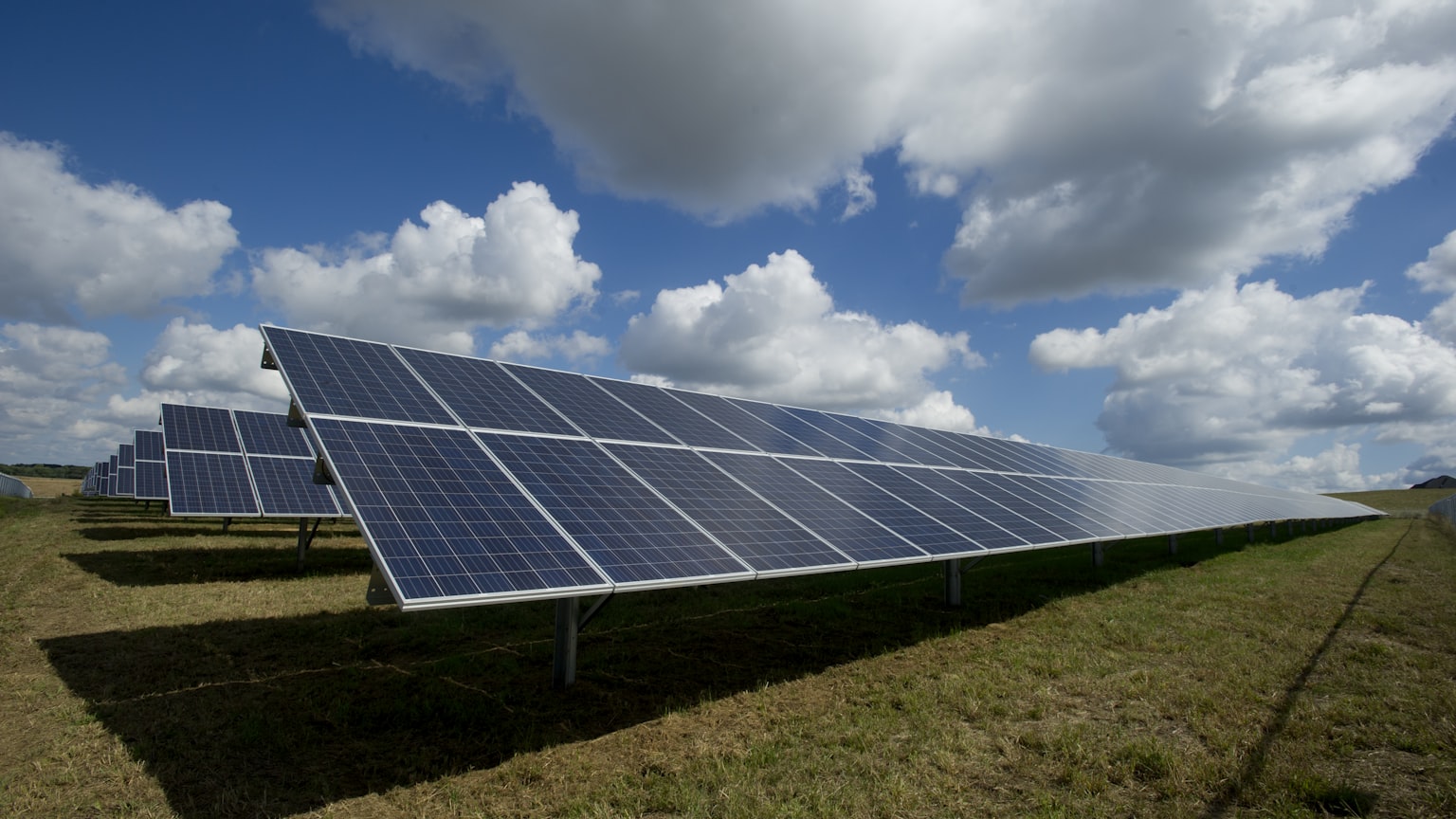
Solar is far cheaper to install on a roof that has not been finished yet, and far easier to sell to a builder than to retrofit later. That puts the conversation at framing, when the roof assembly and the electrical service are still being decided. Builtie is one way to find those builds in time: it tracks new construction across the United States and Canada by type and stage, shows projects approaching framing, and names the builder, developer or owner behind each, so a solar or EV charging installer can make the case before the roof is closed.
The same four steps, whether the buyer is a builder, a designer, an owner or a company you want to acquire.
The new-construction sale is a different sale
Most solar businesses are built on retrofit: a homeowner decides, a system goes on an existing roof. New construction is a different motion. The buyer is a builder or a developer, the decision sits alongside the roof and the electrical service, and the cost of doing it during construction is a fraction of doing it afterwards. The argument that wins is not payback period, it is that the conduit and the mounts are almost free while the roof is open.
When solar gets decided on a build
Solar on a new build. Click a stage to see how the cost and the conversation change.
Who buys solar on construction projects
- Custom home builders. Increasingly asked by their clients about solar readiness and EV charging, and looking for a contractor who will not complicate the roof.
- Developers on multi-unit and commercial. Buying against energy performance targets and incentive programs, with a longer decision process and a much larger system.
- Commercial property owners. The retrofit buyer with the best economics, especially on a building that is already having roof work done.
- Electrical contractors. Frequently a partner rather than a competitor, since the service upgrade and the interconnection sit in their scope.
Roof work is the best retrofit signal there is
For retrofit, the strongest signal is a commercial or industrial roof being replaced. The scaffolding is up, the membrane is new, and the owner has just spent money on the one surface a solar array needs. A permit for roof work on a large building is a better lead than any list of property owners, because it comes with timing attached.
A message to a builder at framing
Hi Ken, saw the Meadowvale build is at framing. If the client has asked about solar or an EV charger, the conduit and mounts are close to free at this stage and a nightmare after the roof is on. Happy to spec a rough-in package that keeps their options open without committing them to panels now.— Illustrative sample outreach message, Builtie
Offering rough-in rather than a full system removes the objection that ends most of these conversations, and it gets the contractor onto the project.
How Builtie works for solar installers
Builtie tracks construction across North America and classifies projects by type and stage, so a solar contractor can watch for new builds reaching framing and for commercial roof work in the same territory. Each project identifies the builder, developer or owner behind it with contact details verified where they can be, and outreach runs from your own accounts.
Builtie plans start at $79 per month per seat for 20 projects a month, and $99 for 50. Growth adds LinkedIn and email outreach you run from the platform; Starter does not include Outreach. Done-for-you — where Builtie's team runs the content, campaigns and replies for you — is the Custom plan. There is a 7-day free trial with 10 projects so you can see your own territory before paying.
Which plan fits you?
Starter, $79 per seat per month (CAD). 20 matched projects a month, which is $3.95 for a fully worked project — the decision maker, their verified email, phone and LinkedIn, the site context and the opening script all included in the one credit. Credits reset each month, and you can top up with a credit pack any time. Sourcing that by hand runs about twenty minutes a project, so the plan buys back roughly seven hours a month. Pick it if you already have someone sending the messages and what you are short of is a qualified list. It does not include Outreach.
Growth, $99 per seat per month (CAD). Twenty dollars more buys two and a half times the projects — 50 a month, $1.98 each — plus the entire outreach layer: LinkedIn and email sequences, campaigns, the unified inbox, events and social signals. Anyone opening more than 20 projects a month is better off here on volume alone, before counting the ten to fifteen hours a week that automated follow-up gives back. Pick it if someone on your team will log in and run it.
Done-For-You, the Custom plan, from CAD $1,500 a month. Pick it when the honest answer to “who is going to run this?” is nobody. Builtie's team writes the content, runs your LinkedIn, Instagram and email, answers the comments and DMs, builds and manages the campaigns, A/B tests the messaging, analyzes your followers and your competitors, and hands you the conversations. It sits on top of a Growth seat and is quoted against your trade, territory and channels. See everything Done-For-You covers, or compare all three on the pricing page.
Frequently asked questions
When should a solar installer approach a builder?
At framing, while the roof assembly and the electrical rough-in are still being decided. Mounts and conduit cost very little at that point and a great deal once the roof is finished.
Are commercial retrofits covered?
Yes. Roof replacement permits on commercial and industrial buildings are among the strongest retrofit signals available, because they identify a building with a new roof and an owner who has just invested in it.
Can I see EV charging opportunities as well?
The same projects carry both. Electrical service sizing on a new build determines what charging is possible later, which is why the two conversations belong together and belong early.
Who is the decision maker on a multi-unit project?
Usually the developer or their consultant rather than the general contractor, because energy performance is decided in design. Builtie identifies the companies on a project and the people inside them by role.
How much does the platform cost?
Starter is $79 per month per seat for 20 projects a month and Growth is $99 for 50, with LinkedIn and email outreach on Growth and done-for-you on the Custom plan, with a 7-day free trial.