
Construction Leads for Structural Steel Fabricators and Erectors
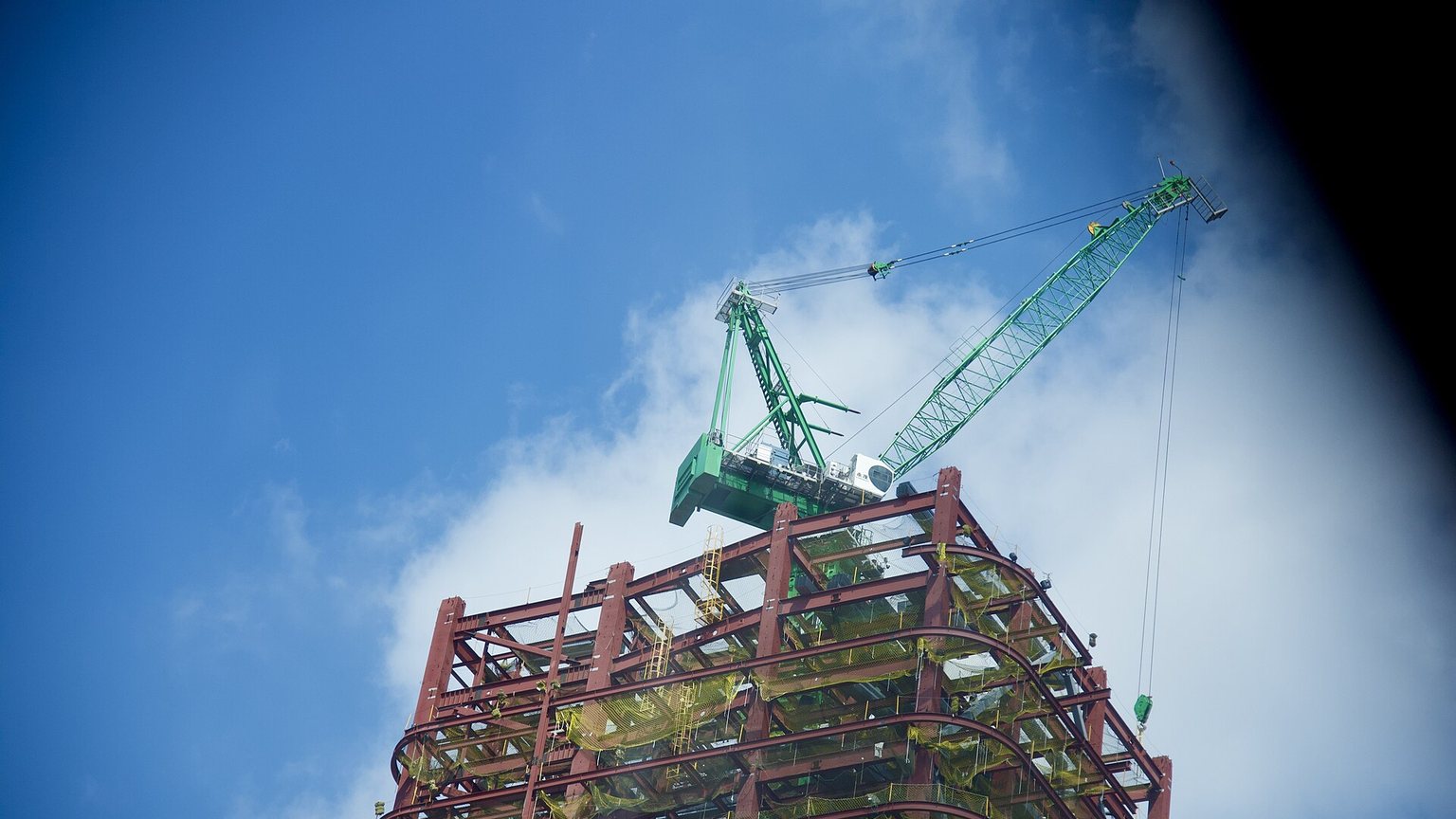
Structural steel is bought at the very front of a project because detailing, approval and fabrication run for months before erection. A fabricator who finds out about a job when the steel is going up is looking at a project that was awarded two seasons earlier. Builtie surfaces projects as soon as they appear in permit and planning records across the United States and Canada, when steel is still being bought, and names the developer or general contractor behind each one, down to the person who builds the bid list.
The same four steps, whether the buyer is a builder, a designer, an owner or a company you want to acquire.
The longest lead time on the job
Between award and erection sits connection design, detailing, drawing approval, material procurement, fabrication and shipping. On a mid-sized commercial building that is months, and it explains everything about how this trade is sold: the award happens while the project is still on paper, and it happens on capacity and shop drawing turnaround rather than on tonnage price alone.
It also means a fabricator's pipeline has to look further ahead than any other trade's. The projects you need to be talking to now are the ones nobody has broken ground on.
When the steel package is awarded
For structural steel the buy window sits before this timeline, during design and permit.
This is the trade where waiting for a stage to appear is guaranteed to be too late. The signals that matter are earlier: a site plan application, a rezoning, a permit under review, a general contractor being appointed.
Who buys structural steel
- Commercial and industrial general contractors. The main buyer, working from a structural drawing set, with prequalification on bonding, capacity and comparable projects.
- Construction managers on large projects. Where steel is tendered as an early package specifically because of its lead time.
- Developers on design-build. The most valuable route in, because a fabricator engaged early influences connections and can price its own detailing approach.
- Other trades and specialty contractors. Miscellaneous metals, mezzanines, platforms and stairs are often bought by a mechanical contractor or a millwright rather than the general contractor.
What a steel lead has to contain
- Project type and structure. Whether the frame is steel at all, approximate size, storeys and use, because a wood-frame residential project is not a lead for this trade.
- How far along the paperwork is. Site plan, permit under review, permit issued. The earlier the better, which inverts the usual rule.
- The general contractor and the developer. Both matter, because on design-build the developer chooses and on a tendered job the general contractor does.
- Verified contacts by role. Estimators and project managers assemble bid lists, and reaching them is a different task from reaching a company.
How Builtie works for steel fabricators
Builtie tracks projects from the point they enter the permit and planning record, which for a trade with months of lead time is the only window that counts. Each project carries the companies involved and the people inside them by role, with contact details verified where they can be, so a fabricator can introduce itself to an estimator while the structural drawings are still being finished.
Builtie plans start at $79 per month per seat for 20 projects a month, and $99 for 50. Growth adds LinkedIn and email outreach you run from the platform; Starter does not include Outreach. Done-for-you — where Builtie's team runs the content, campaigns and replies for you — is the Custom plan. There is a 7-day free trial with 10 projects so you can see your own territory before paying.
Which plan fits you?
Starter, $79 per seat per month (CAD). 20 matched projects a month, which is $3.95 for a fully worked project — the decision maker, their verified email, phone and LinkedIn, the site context and the opening script all included in the one credit. Credits reset each month, and you can top up with a credit pack any time. Sourcing that by hand runs about twenty minutes a project, so the plan buys back roughly seven hours a month. Pick it if you already have someone sending the messages and what you are short of is a qualified list. It does not include Outreach.
Growth, $99 per seat per month (CAD). Twenty dollars more buys two and a half times the projects — 50 a month, $1.98 each — plus the entire outreach layer: LinkedIn and email sequences, campaigns, the unified inbox, events and social signals. Anyone opening more than 20 projects a month is better off here on volume alone, before counting the ten to fifteen hours a week that automated follow-up gives back. Pick it if someone on your team will log in and run it.
Done-For-You, the Custom plan, from CAD $1,500 a month. Pick it when the honest answer to “who is going to run this?” is nobody. Builtie's team writes the content, runs your LinkedIn, Instagram and email, answers the comments and DMs, builds and manages the campaigns, A/B tests the messaging, analyzes your followers and your competitors, and hands you the conversations. It sits on top of a Growth seat and is quoted against your trade, territory and channels. See everything Done-For-You covers, or compare all three on the pricing page.
Frequently asked questions
When is structural steel awarded on a project?
During design and permitting, before any site work. Detailing, drawing approval and fabrication take months, so the fabricator is chosen while the project is still on paper.
How do I find projects that early?
Through the permit and planning record rather than through site activity. Site plan applications, permits under review and newly issued permits all appear before ground is broken, and each identifies the companies involved.
Do you cover industrial and institutional work?
Yes. Commercial, industrial and institutional projects are tracked alongside residential, and you can scope the feed so only projects likely to have a steel frame appear.
Who is the right person to contact at a general contractor?
Usually an estimator or a project manager. Builtie identifies people at a company by role, so you can reach the person who assembles the bid list rather than a general mailbox.
Can this replace a tender board?
It does a different job. A tender board tells you what is already public. This tells you which projects are coming and who is running them, which is when a steel package is actually decided.