
Construction Leads in Vancouver and the Lower Mainland
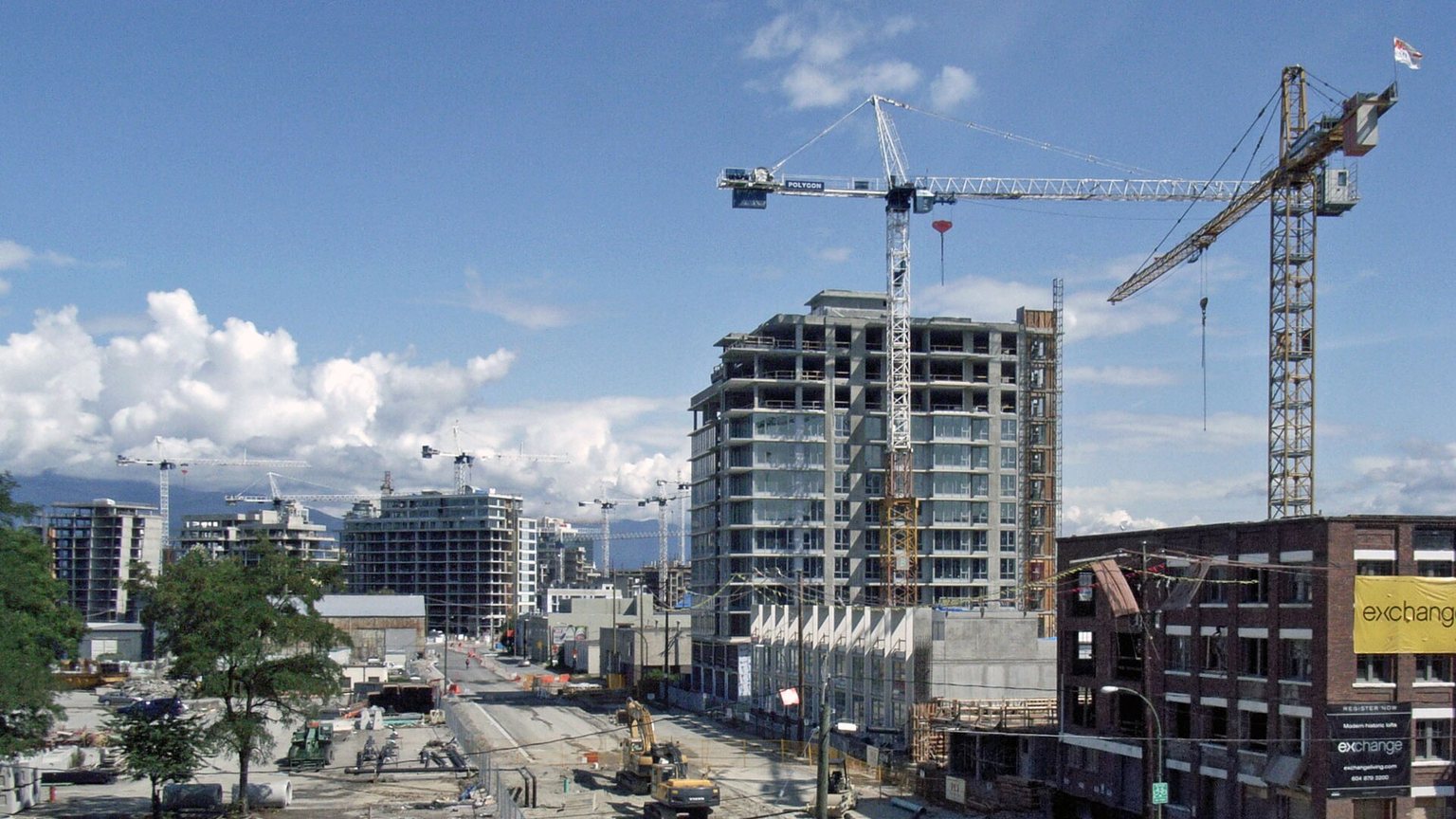
Metro Vancouver is not one construction market, it is more than a dozen municipal permit systems sharing one labor pool. A trade contractor working from Vancouver to Langley is reading a different record every time they cross a boundary, which is the practical problem this region poses. Builtie reads the City of Vancouver’s own permit record, names the builder behind each project with a contact where one can be verified, and scores the work for your trade; how deep it goes in the other Lower Mainland municipalities depends on what each one publishes.
The same four steps, whether the buyer is a builder, a designer, an owner or a company you want to acquire.
Vancouver by the numbers
Vancouver among the metros Builtie covers. See all of them on one map.
Permits by year in Vancouver. 2026 is a partial year counted to September 4, 2026, so its bar is shorter for that reason rather than a slowdown.
The City of Vancouver has issued 12,809 permits since January 2024, counted on September 4, 2026. That is the city proper; the other Metro Vancouver municipalities publish separately, which is the fragmentation this page is about. See how it compares with the other cities Builtie covers.
One region, many records
The City of Vancouver, Surrey, Burnaby, Richmond, Coquitlam, the North Shore, New Westminster, Delta and the Langleys each run their own permitting, publish differently, and move at different speeds. A contractor whose service area covers several of them has to watch several sources, in several formats, to see the same thing: what is being built and by whom.
That fragmentation is the single biggest reason trade contractors in this region rely on word of mouth. It is not that the information is private. It is that assembling it is a job nobody has time for.
What the region is actually building
- Small-scale multi-unit housing. Provincial housing legislation has pushed municipalities across British Columbia to allow more units on lots that used to hold one house, which turns a single-family record into a multi-unit scope for every trade that touches it.
- Laneway and infill housing. Vancouver has permitted laneway homes for years and the format has spread. Each one is a complete small house: foundation, framing, full mechanical and electrical, kitchen, bath, finishes.
- Transit-oriented density. Land near rapid transit carries the region's tallest and densest projects, with long timelines and large trade packages.
- Envelope and remediation work. A long regional memory of building envelope failures means rainscreen, cladding and remediation is a continuing market with a specialist buyer, usually a strata or property manager.
- Mass timber and prefabrication. British Columbia has been early on engineered wood construction, which changes sequencing and rewards trades that can work to shop schedules.
How the buy windows shift here
Relative pressure on scheduling decisions in this region compared with a flatter, single-jurisdiction market.
The practical effect is that envelope trades in particular get bought against the weather rather than against the calendar, and a contractor who can commit to closing a building before the wet season has an argument that price alone does not beat.
Who to reach in this market
The buyer varies by project type more than it does by city. Small-scale multi-unit and laneway work is bought by small builders and by owners directly. Transit-oriented density is bought by developers and their general contractors. Envelope remediation is bought by strata councils and property managers, who are a different audience with a different vocabulary and a longer decision process.
Builtie covers North America and its deepest project and contact density is in Toronto and the Greater Toronto Area, because permit data quality is decided by what each municipality publishes. Before you commit to any provider, ours included, ask to see live sample projects in your own city.
Builtie plans start at $79 per month per seat for 20 projects a month, and $99 for 50. Growth adds LinkedIn and email outreach you run from the platform; Starter does not include Outreach. Done-for-you — where Builtie's team runs the content, campaigns and replies for you — is the Custom plan. There is a 7-day free trial with 10 projects so you can see your own territory before paying.
Which plan fits you?
Starter, $79 per seat per month (CAD). 20 matched projects a month, which is $3.95 for a fully worked project — the decision maker, their verified email, phone and LinkedIn, the site context and the opening script all included in the one credit. Credits reset each month, and you can top up with a credit pack any time. Sourcing that by hand runs about twenty minutes a project, so the plan buys back roughly seven hours a month. Pick it if you already have someone sending the messages and what you are short of is a qualified list. It does not include Outreach.
Growth, $99 per seat per month (CAD). Twenty dollars more buys two and a half times the projects — 50 a month, $1.98 each — plus the entire outreach layer: LinkedIn and email sequences, campaigns, the unified inbox, events and social signals. Anyone opening more than 20 projects a month is better off here on volume alone, before counting the ten to fifteen hours a week that automated follow-up gives back. Pick it if someone on your team will log in and run it.
Done-For-You, the Custom plan, from CAD $1,500 a month. Pick it when the honest answer to “who is going to run this?” is nobody. Builtie's team writes the content, runs your LinkedIn, Instagram and email, answers the comments and DMs, builds and manages the campaigns, A/B tests the messaging, analyzes your followers and your competitors, and hands you the conversations. It sits on top of a Growth seat and is quoted against your trade, territory and channels. See everything Done-For-You covers, or compare all three on the pricing page.
See also: Building permit lookup: Vancouver.
Every trade in Vancouver, from excavation to landscaping, with its own count and award window: Vancouver construction leads by trade.
Frequently asked questions
Where can I find building permit information for Vancouver?
Each municipality in Metro Vancouver publishes its own permit information, and the format and timeliness vary. The City of Vancouver, Surrey, Burnaby, Richmond and the other municipalities all run separate systems, which is why a regional view has to be assembled from several sources.
What kind of construction is growing in Metro Vancouver?
Small-scale multi-unit housing on lots that previously held a single house, laneway and infill homes, transit-oriented density, and a continuing market in building envelope and remediation work.
Does Builtie cover British Columbia?
Coverage is North America wide. Depth varies with what each municipality publishes, and it is deepest in Toronto and the Greater Toronto Area. Ask for live sample projects in your own service area before deciding.
Who buys envelope remediation work?
Usually a strata council or a property manager rather than a builder, which makes it a longer decision with more people involved and a different approach from new construction.
What does Builtie cost?
Starter is $79 per month per seat for 20 projects a month and Growth is $99 for 50, with LinkedIn and email outreach on Growth and done-for-you on the Custom plan, with a 7-day free trial.