
General Contractor vs Builder vs Developer: Who Hires the Trades on a Project
Start free trial 7 days, 10 projects: permitted projects in your trade's award window, with the decision maker named.
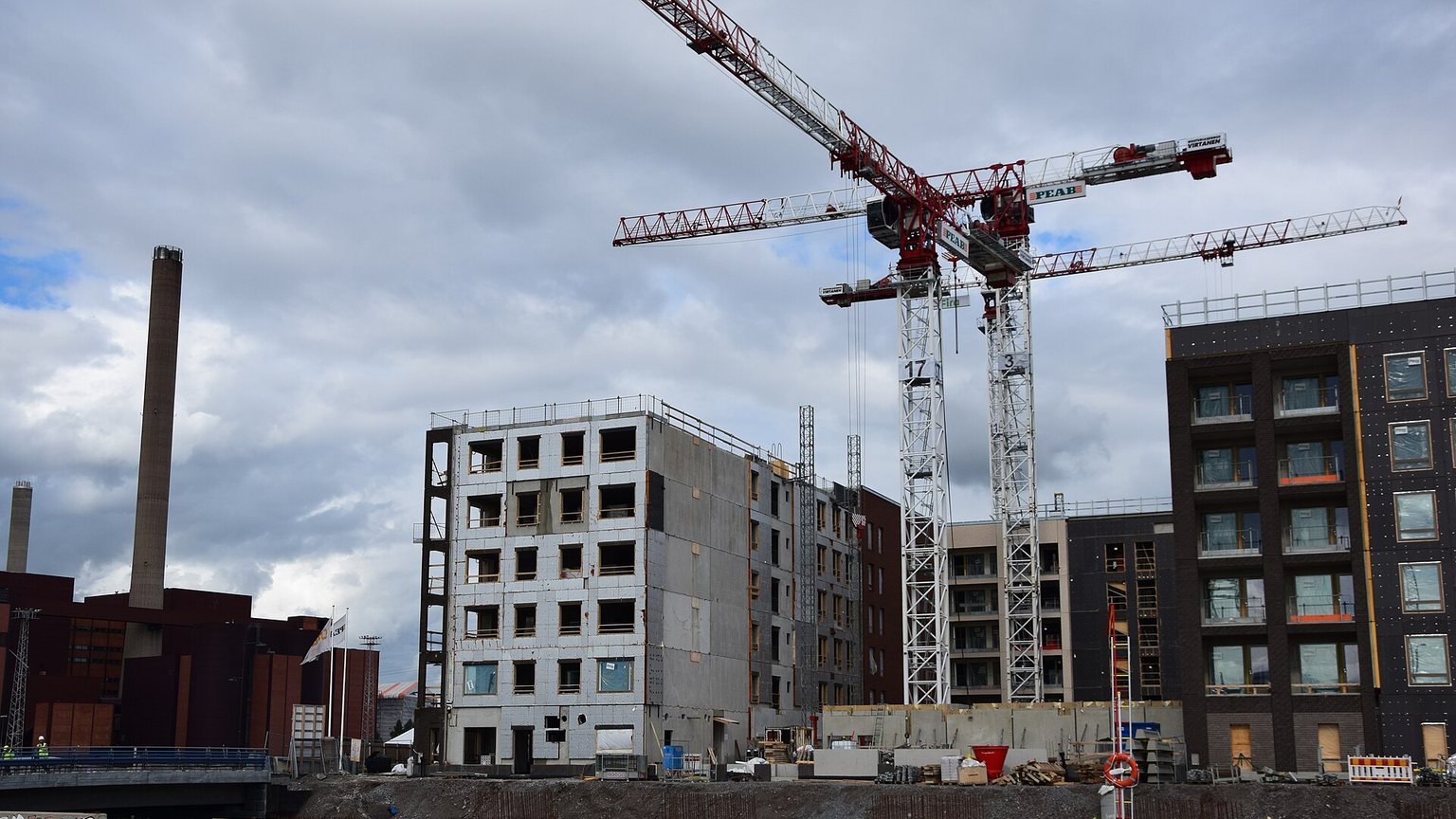
A developer controls the land, finances the project and hires the general contractor; the general contractor runs construction and hires the trades; a builder does both on homes, building and usually selling them. For a trade, the buyer is the general contractor on commercial work and the builder on residential work. Builtie names the company behind each permitted project and the person there who buys your scope.
The same four steps, whether the buyer is a builder, a designer, an owner or a company you want to acquire.
Side by side
| Developer (owner) | General contractor | Builder | |
|---|---|---|---|
| Does | Controls land, finances, hires the GC | Runs construction, hires the trades | Builds homes, often sells them |
| Appears in the record | Planning applications | Building permits (some cities) | Building permits |
| Buys from trades? | Rarely directly | Yes: trade packages | Yes |
| Reach them | Before the GC is chosen | Before buyout | Before your stage |
Who to reach first
A trade sells to whoever awards its scope. On a commercial building that is the general contractor's estimator or project manager, during buyout. On a custom home or a small multi-unit job it is the builder's owner. A developer matters to a trade mostly as the way to learn which GC will build, which is why planning applications are worth watching in the GTA.
A real example from Builtie's data
In the City of Los Angeles, 1,044 of the 1,681 Pacific Palisades rebuild properties have a builder company on a permit (483 different companies); Los Angeles County's fire recovery cases for Altadena carry no contractor at all. In York Region planning files, the owner is often a numbered company set up for one site, and Builtie looks for the developer behind it.
Where it applies
The roles are the same across North America; what changes is which one the permit names. Some cities print the contractor on the permit, others the applicant or owner only, and Builtie resolves the operating company either way.
Source. City of Los Angeles building permits for Pacific Palisades (Los Angeles Open Data) and Los Angeles County's fire recovery cases, read October 20, 2026; York Region planning files held in Builtie.
The definition says what the term is first and why it matters to a trade second; counts are dated and come from Builtie's own records, never from an estimate of the whole market.
More terms: the construction glossary.
Plans and coverage
Builtie's Starter plan is $79 per seat per month for 20 projects; Growth is $99 for 50 projects and adds the LinkedIn and email outreach you run yourself. Opening a project spends one credit, and the decision makers, emails, phones and AI call script inside it are included. Your monthly credits reset at each renewal, and extra credit packs are valid for 30 days. The free trial runs 7 days with 10 projects. Custom, where Builtie's team runs the outreach for you, starts from $1,500 a month on top of a Growth seat.
Builtie's deepest coverage is in the Greater Toronto Area, where it started; depth in any city depends on what that municipality publishes. Ask for live sample projects in your own service area before you buy.
Frequently asked questions
Is a builder the same as a general contractor?
Often, on homes: a builder usually acts as its own general contractor. On commercial work the developer hires a separate general contractor.
Who hires subcontractors on a construction project?
The general contractor, through its estimators and project managers, or the builder on residential work. Developers rarely hire trades directly.
What does Builtie cost?
Starter is $79 per seat per month for 20 projects; Growth is $99 for 50 projects and adds LinkedIn and email outreach. There is a 7-day free trial with 10 projects.